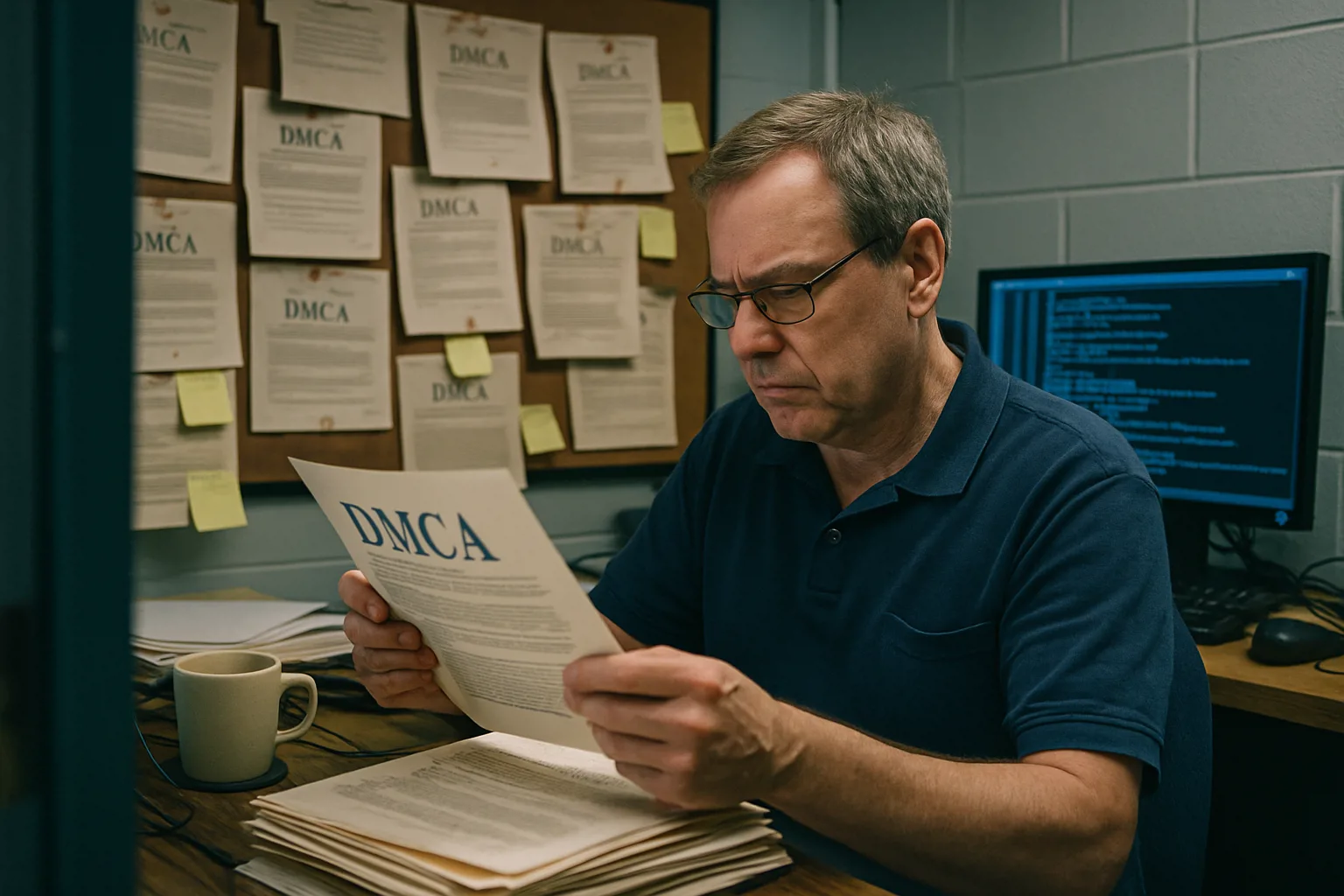
OnlyFans performers are taking on an unexpected role in cybersecurity by helping Chief Information Security Officers (CISOs) identify and dismantle attacks on government and university websites. Their proactive copyright enforcement is alerting institutions to SEO parasite schemes and improving both digital reputation and site security.
- Hackers exploit trusted domains using stolen OnlyFans content to lure victims.
- OnlyFans creators issue DMCA takedowns, alerting CISOs to site compromises.
- These takedowns help institutions fix vulnerabilities and protect their reputation.
- Collaboration between creators and CISOs is reshaping proactive website defense.
Cybersecurity threats are evolving, and so are the unlikely heroes defending the digital frontlines. In a fascinating twist, OnlyFans performers—typically associated with adult content—are now empowering Chief Information Security Officers (CISOs) in the fight against malicious hackers targeting high-profile domains. This unexpected alliance is rewriting the rules of digital defense and shining a spotlight on the innovative ways copyright enforcement can bolster online security.
How Hackers Weaponize High-Authority Domains with Stolen Content
Government and university websites are prized targets for cybercriminals. Their high-authority status means that anything hosted on these domains quickly earns trust from both users and search engines. Hackers have seized on this, exploiting vulnerabilities to launch a cunning three-stage attack:
- Entry Points: Hackers compromise reputable websites, injecting pages that display stolen OnlyFans content to attract clicks.
- Routing Systems: Unsuspecting visitors are funneled through redirects to malicious external sites.
- Monetization: The final destination is often a haven for scams, malware, or phishing schemes, generating illicit profits for attackers.
These tactics, known as SEO parasites, leverage the domain's credibility to boost the malicious content's visibility in search results. In effect, stolen adult imagery becomes the bait in a sophisticated digital trap.
OnlyFans Performers Harness Copyright to Disrupt Cyber Attacks
What makes this trend remarkable is the proactive response from OnlyFans creators. As the rightful copyright holders of their imagery, these performers are uniquely positioned to fight back. When they spot their content misused on government or university domains, they can file Digital Millennium Copyright Act (DMCA) takedown notices, demanding removal of the unauthorized material.
Security researchers, notably from Upguard, have been tracking this phenomenon using open resources like the Google DMCA Transparency Report and the Lumen Database. The volume of DMCA requests related to stolen OnlyFans content is not only getting illicit material de-indexed from search engines—it’s also serving as an early-warning system for institutions whose domains have been breached.
DMCA Takedowns: A Win-Win for Security and Reputation
When a DMCA notice lands in an institution's inbox, it offers two immediate benefits:
- Reputation Management: Swift removal of explicit, unauthorized content from search results helps maintain the integrity and public trust of government and academic websites.
- Security Enhancement: The takedown alert signals a potential site compromise, prompting IT teams to investigate and patch vulnerabilities before further damage occurs.
In effect, OnlyFans creators are acting as a distributed, global network of threat detectors, flagging compromised pages that might otherwise have gone unnoticed by overburdened security teams. As one security analyst put it:
“Copyright holders are becoming the first responders, alerting institutions to breaches even before their own monitoring tools do.”
How the Unlikely Alliance Amplifies Cyber Defense
This emerging partnership between creators and CISOs transforms what could have been a liability into a powerful asset. Here's how the process often unfolds:
| Stage | Traditional Response | With OnlyFans DMCA Involvement |
|---|---|---|
| Compromise Undetected | Malware/spam remains hidden for weeks or months | Copyright holders quickly spot and report violations |
| Notification | Relies on internal monitoring (often delayed) | External DMCA alerts prompt rapid awareness |
| Remediation | Reputation suffers before action is taken | Prompt removal and patching averts public fallout |
The synergy is clear: More eyes on the problem means faster detection and resolution. This is especially valuable given the strained resources at many public institutions, where IT teams juggle vast responsibilities with limited staff.
Lessons for CISOs: Proactive Collaboration Is the New Security Standard
For CISOs and IT leaders, this trend is a wake-up call to the power of collaborative security. Rather than viewing copyright holders as adversaries or mere claimants, savvy security officers now recognize them as allies in threat intelligence. Proactive engagement with outside reporters—no matter how unconventional their origins—can surface breaches sooner and drive meaningful improvements in site defenses.
To leverage these benefits, CISOs should:
- Monitor DMCA notifications as a key signal of possible site compromise.
- Establish clear processes for investigating and remediating flagged content.
- Educate internal teams on the evolving tactics of SEO parasites and social engineering threats.
- Invest in robust web application security and regular vulnerability assessments.
What This Means for Your Organization—and Why You Should Act Now
The surprising partnership between OnlyFans creators and CISOs illustrates a larger truth: effective cybersecurity requires openness to new alliances and perspectives. By treating DMCA takedowns and similar alerts as valuable intelligence—not just administrative headaches—businesses and institutions can stay ahead of emerging threats.
Whether you manage a university website, a government portal, or a commercial brand, now is the time to review your monitoring procedures and embrace proactive, collaborative security. Your reputation—and your users—depend on it.
Frequently Asked Questions
How does stolen OnlyFans content end up on government or university websites?
Hackers exploit vulnerabilities in these trusted sites to upload or inject stolen adult content. This content is used as bait to attract visitors, who are then redirected to malicious sites designed for scams or malware distribution.
Why are OnlyFans creators effective at detecting these attacks?
As copyright holders, OnlyFans creators actively search for unauthorized use of their material. When they find their content on reputable domains, they issue DMCA takedown notices, which alerts both search engines and the affected institutions to the breach.
What should CISOs do when they receive a DMCA takedown notice?
CISOs should treat DMCA notices as a security red flag, investigate the reported content, assess for broader site compromise, and remediate any vulnerabilities to prevent future exploitation.